






What automation actually means in a manufacturing context
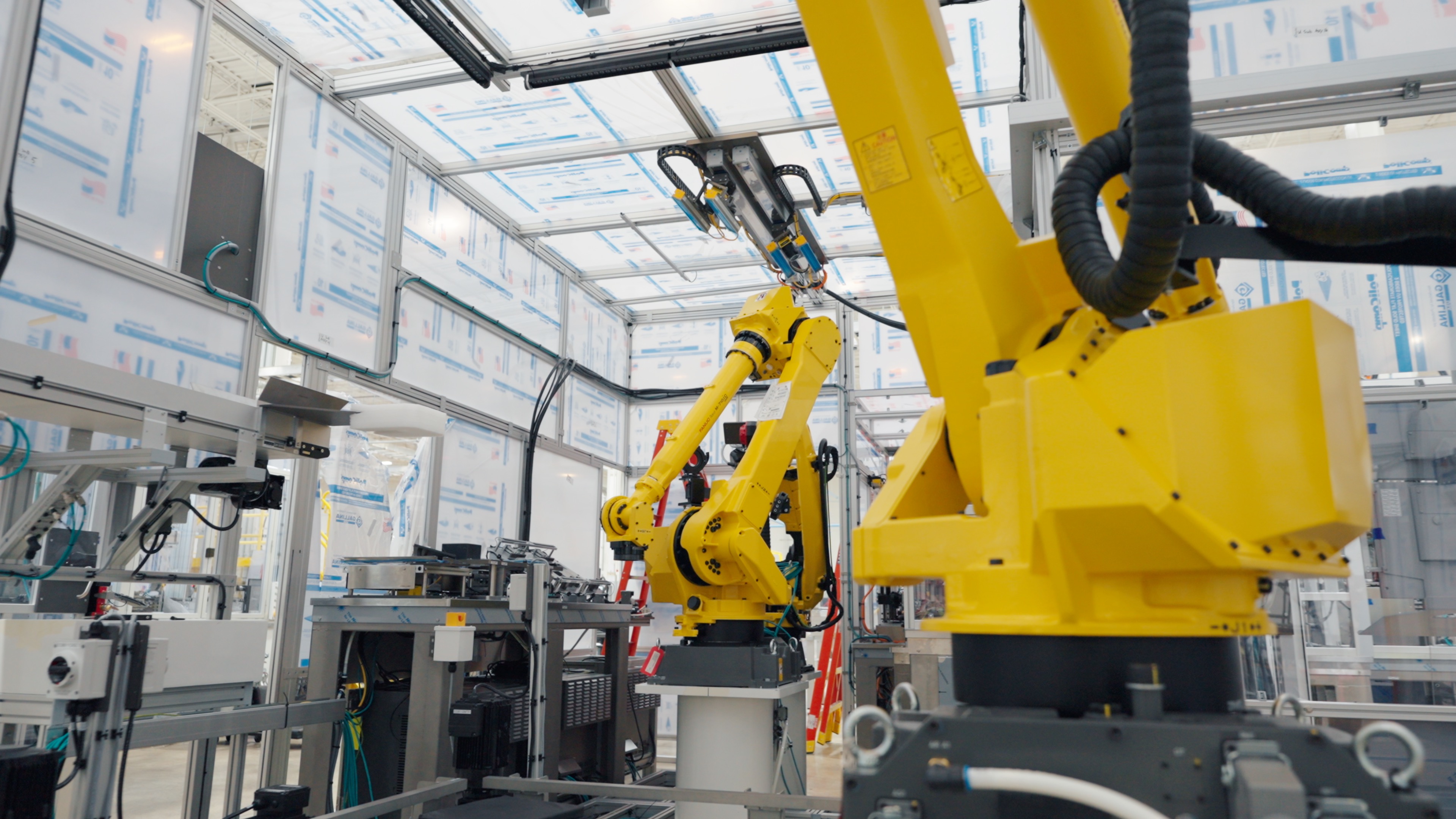
Automation in manufacturing usually refers to physical automation: robots, CNC machines, conveyor systems. Systems automation is different. It refers to automating the information flows that run alongside the physical operations: the data that moves between systems, the approvals that wait in inboxes, the reports that require someone to manually compile before every meeting.
These are the processes that slow operations down not because the physical work is slow, but because the administrative and data management work surrounding it hasn't kept pace with the scale of the business.
Common examples in manufacturing
Purchase order automation: when a production threshold is hit, a purchase order is generated and routed for approval without anyone manually initiating it. Vendor confirmation comes back into the system automatically rather than as an email someone has to parse and enter.
Production reporting: shift data captured in the production system flows into the ERP and the reporting layer automatically, so leadership sees yesterday's production numbers this morning rather than waiting for a report to be compiled.
Quality and exception routing: when a batch falls outside specification, the right people are notified automatically and the exception is tracked from identification through resolution without manual coordination.
What systems automation doesn't mean
Systems automation doesn't mean replacing people. It means removing the administrative work that keeps good people from doing the work they're actually good at. A production manager who spends two hours a day compiling reports and routing approvals is spending two hours a day not managing production. Automation gives those two hours back.
Where to start
Start with the manual process that costs the most time or creates the most errors. In most manufacturing environments, that's either purchase order management or production reporting. Fix one, measure the time saved, and use that as the model for what to automate next.


